

Dementia Action Week 2026

This week is Dementia Action Week, and an opportunity to continue raising awareness of dementia, the UK’s biggest killer (1).
What is dementia?
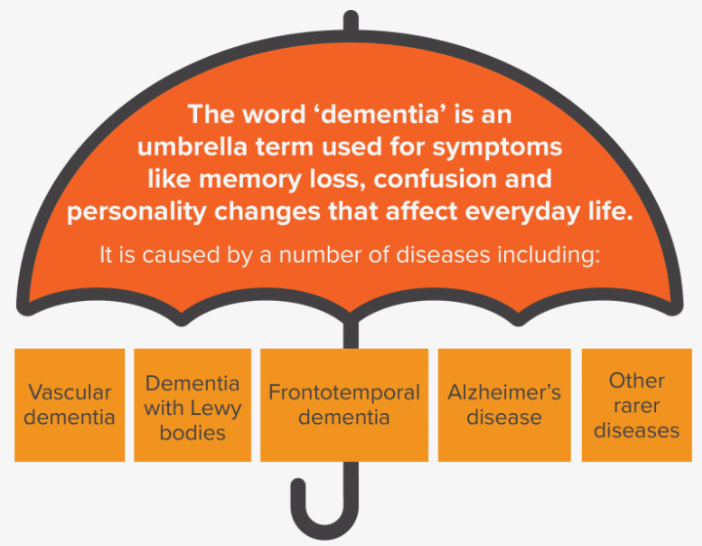
Dementia is a group of symptoms. It’s caused by different diseases that damage the brain. Dementia is progressive; the symptoms get worse over time and include:
memory loss
confusion and needing help with daily tasks
problems with language and understanding
changes in behaviour
There are many types of dementia, but Alzheimer’s disease is the most common. The next most common is vascular dementia (2)
How common is dementia?
Research shows there are more than 944,000 people in the UK who have dementia. 1 in 11 people over the age of 65 have dementia in the UK. This rises to 1 in 6 for people aged over 80.
The number of people with dementia is increasing because people are living longer.
Dementia can affect younger people too. Around 1 in 20 people with dementia are younger
than 65.
1 in 3 people born in the UK today will develop dementia.
Prevention
The risk of getting dementia is made up of several factors, such as age, genes, lifestyle, health and environment (3). Some of these factors are beyond our control, such as genetics and age. However, research suggests that almost half (45%) of dementia cases are linked to risk factors we may have some influence over. You can help reduce your risk of dementia by:
eating a balanced diet
maintaining a healthy weight
exercising regularly
keeping alcohol within recommended limits
keeping your blood pressure at a healthy level (4)

How is dementia diagnosed?
Memory and thinking tests that assess the person’s cognitive abilities using tests of attention, memory, verbal fluency and language, and their visual and spatial abilities.
Scans and medical checks that may include a brain scan to check for changes in the brain that could indicate dementia (5).
Is there a cure?
Currently, there is no cure for dementia. As dementia is caused by different diseases, research is aimed at finding cures for the underlying diseases, such as Alzheimer's (6). Research also focuses on treatments that can slow the progression of disease (7).
There are many organisations and charities that are dedicated to supporting people with dementia, their carers and families, as well as supporting research.
For more information:
Alzheimer's Research UK: www.alzheimersresearchuk.org
Alzheimer's Society: www.alzheimers.org.uk
Dementia UK: www.dementiauk.org
For support groups in Hampshire:
Dementia Support Hampshire and IOW: www.mydementiasupport.org
References:


Comments